Understand the operating intelligence. Transfer the capability.
Every engagement begins with the same question: where does the business depend on a person rather than an operating system? We diagnose the dependency, build a practical plan, and work with the team to make the capability transferable.
Schedule a Diagnostic01 — Diagnose & Plan
Before we recommend a solution, we learn how the business actually works. We observe the operation, speak with the people closest to the work, identify the decisions and relationships carrying disproportionate risk, and map the places where knowledge is concentrated.
What we look for
- Founder or key-person decision bottlenecks
- Undocumented operating knowledge and exception handling
- Fragile customer, vendor, and employee relationship dependencies
- Unclear authority, approvals, roles, and handoffs
- Workflows that exist in practice but not in the operating system
- What must be protected before any process or technology change
What you receive
- A clear operating-dependency assessment
- A map of critical workflows, knowledge holders, and decision points
- Prioritized transition risks and opportunities
- A sequenced Plan of Action
- Clear ownership, timing, and implementation priorities
02 — Implement & Stabilize
A plan does not reduce dependency unless it changes how the organization works. We support implementation with your team so the knowledge and decision-making that once lived with one person become embedded in roles, routines, systems, and repeatable practices.
What implementation can include
- Decision rules and escalation paths
- Workflow redesign and handoff clarity
- Knowledge capture and practical operating documentation
- Team training and live problem-solving
- Operating rhythms, accountability, and feedback loops
- Customer and stakeholder listening during periods of change
The work is complete when the team can operate independently in live conditions — not when a set of recommendations is delivered.
One method. Different transition moments.
The structure is consistent because the underlying problem is consistent. The scope changes depending on whether you are preparing a founder-led business for its next stage, taking responsibility for an acquired company, or supporting a portfolio through repeated transitions.
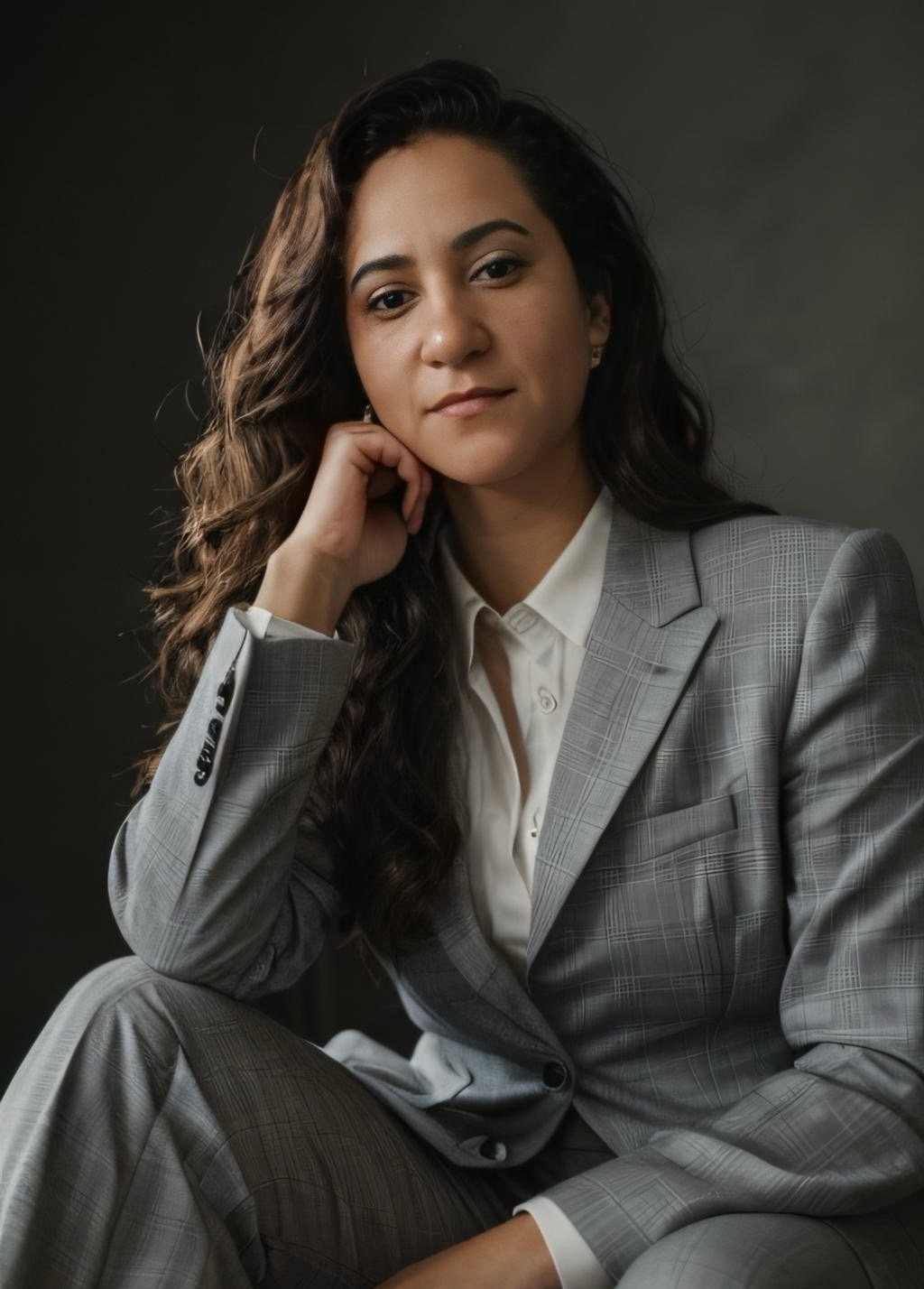
Ericka Bourraine — 16 years inside service businesses.
Founder of DCG Consulting Group. 16 years building, operating, and stabilizing service-based systems across medical billing, professional services, local government, and founder-led operations. MPA, University of Miami. Quadrilingual in English, Spanish, French, and Haitian Creole.